The Benefits of Installing Energy-Efficient Sliding Doors in Your Home
Energy-efficient sliding doors deliver a practical solution for homeowners desiring to enhance their living spaces. These doors not only boost insulation but also allow for an profusion of natural light, which can alter the ambiance of any room. Their modern design can raise a home's design value and market value. However, the benefits stretch beyond aesthetics and comfort, sparking a closer analysis of their overall impact on home efficiency. What points should homeowners remember?

How Glass Sliding Doors Resolve Energy Efficiency Challenges?
Sliding doors, despite being aesthetically pleasing, serve a significant role in improving energy efficiency within homes and commercial spaces. Their design enables for ample natural light, minimizing the need for artificial lighting during the day. This natural illumination not only lightens interiors but also contributes to lower energy consumption.
Additionally, modern glass entrance doors are typically outfitted with advanced insulation and high-quality window panes, which diminish air leakage. This stops cold air infiltration and helps maintaining a steady indoor temperature, in turn decreasing climate control expenses.
Additionally, the considerable glass panels can be crafted to deflect heat during the summer and retain warmth in the winter, additionally supporting energy savings. By adding sliding doors into their architecture, homeowners and businesses can achieve a balance between appearance and sustainability, leading to a more streamlined energy footprint while enhancing the overall mood of their spaces.
Why Sliding Doors Maximize Your Home's Insulation
While many homeowners concentrate on design, the insulation benefits of sliding glass doors are equally important. Eco-friendly sliding doors are built to lower heat transmission, successfully retaining homes better insulated in winter and cooler in summer. They often feature frames with several chambers and energy-efficient glass, which work together to reduce energy loss.
Moreover, these doors typically arrive with weatherproofing strips that eliminates drafts, additionally improving thermal performance. By establishing a snugger seal, sliding content doors enable sustaining a consistent indoor temperature, minimizing the dependence on heating and cooling systems. This not only leads to increased comfort but also contributes to economical energy bills.
Also, upgraded insulation helps decrease outside noise pollution, generating a more serene residential environment. Generally speaking, the thermal properties of energy-efficient sliding doors offer practical benefits that optimize the home's energy savings while providing a comfortable living space.
Why Sunlight Makes a Difference Your Home?
Natural light serves as a crucial factor in enhancing the ambiance and functionality of a home. It produces an appealing setting, allowing rooms to appear more spacious and airy. The amount of sunlight can also positively influence mood and well-being, leading to a brighter home atmosphere. Research demonstrates that exposure to natural light can improve productivity and focus, rendering it especially advantageous for home offices.
Furthermore, daylight can help reduce energy consumption by limiting the necessity for artificial lighting during daytime. This not only lowers electricity bills but also reduces the overall environmental impact. In addition, homes awning in natural light tend to be more aesthetically pleasing, better showcasing interior design elements. By installing energy-efficient sliding doors, homeowners can boost the admission of natural light while preserving energy efficiency, thus enhancing both comfort and the visual appeal of their living spaces.
Increasing Curb Appeal By Installing Sliding Doors
Installing energy-efficient sliding doors can significantly boost a home's curb appeal, as they unite utility with contemporary design. These doors act as a stunning centerpiece, capturing attention and encouraging passersby to admire the home's visual style. Presented in multiple styles and finishes, energy-efficient sliding doors can harmonize with different building designs, from contemporary to traditional.
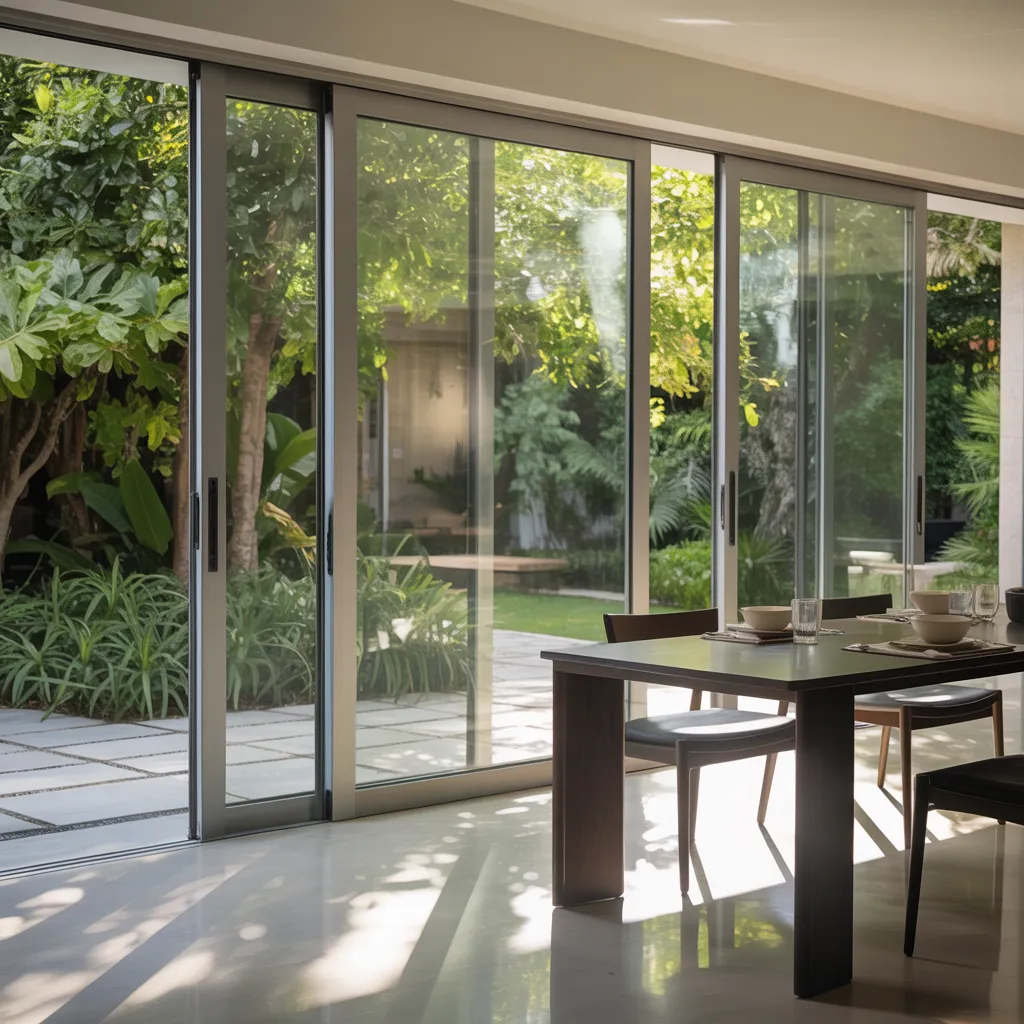
The broad glass panels enable natural light to saturate interior spaces, crafting an inviting atmosphere that prolongs the living area outdoors. This uninterrupted transition enhances the home's overall appeal, making it feel larger and more open. Furthermore, homeowners can select options that reflect their personal style, solidifying their unique identity.
Additionally, the streamlined silhouette and understated style of sliding doors encourage a contemporary appearance, making the property more desirable to potential buyers. By investing in eco-friendly sliding doors, homeowners not only enhance aesthetics but also boost the property's value and marketability.
Determining Choices for Efficient Sliding Doors
Finding the appropriate materials for energy-efficient door units is necessary to optimizing their operation and visual charm. Conventional materials include vinyl, fiberglass, and wood, each offering unique advantages. Vinyl is celebrated for its excellent insulation properties and low maintenance requirements, making it a sought-after choice. Fiberglass supplies strength and immunity to warping, while also offering good energy efficiency. Wood, though visually pleasing, often demands increased maintenance and may need additional insulation to comply with energy standards.
The choice of glazing also plays a crucial factor. Double or triple-pane glass with low-emissivity treatments can greatly minimize heat transfer, improving energy efficiency. Furthermore, selecting window frames with thermal breaks can further improve thermal insulation. Ultimately, a thorough evaluation of material choices, combined with energy-saving features, ensures that sliding doors not only enhance the residence's appearance but also lead to reduced energy expenses and greater comfort.
Guide to Installing Eco-friendly Sliding Doors
The installation of eco-friendly sliding doors requires meticulous planning and precise execution to ensure maximum performance and longevity. Start by measuring the existing door frame exactly to ascertain a ideal fit. Carefully remove the old door, taking care not to damage the surrounding structure. After the area is prepared, position the new sliding door into the frame. It is essential to confirm the door is level and plumb; use shims if adjustments are necessary. Once secured, apply proper insulation around the frame to prevent air leaks. Weather stripping should be installed to improve energy efficiency. Finally, test the door’s operation to verify easy sliding and secure locking mechanisms. This organized approach not only improves energy efficiency but also supports the look and functionality of the home.
Best Methods for Caring for Sliding Doors
Proper installation of energy-efficient sliding doors sets the foundation for their longevity, but active attention is equally important to validate peak performance. Periodic cleaning is mandatory; tracks should be relieved of residue and fragments to block obstruction and guarantee smooth operation. Homeowners should inspect the weatherstripping intermittently for any damage or weakening, replacing it as called for to sustain energy savings.
Coating the cylinders and rails with a silicone-based spray can help enhance performance and limit wear. Also, it is advisable to check the alignment of the doors; misalignment may cause gaps that affect energy efficiency. Also, inspecting the glass for cracks or breaks can help in avoiding further damage and energy loss. By following these best practices, homeowners can extend the life of their sliding doors and maximize their energy-saving advantages. Regular upkeep not only improves aesthetics but also adds to overall home comfort.
Popular Inquiries Asked Often
What Are the Typical Prices of Energy-Saving Sliding Doors?
Standard costs for energy-saving sliding doors usually range from $800 to $3,000, determined by materials, size, and installation. Homeowners should think about long-term savings on energy bills when reviewing their financial commitment in these doors.
What's the Difference Between Sliding Doors and Traditional Doors When it Comes to Power Savings?
Sliding doors generally offer superior energy efficiency compared to traditional doors, mainly due to their sophisticated insulation and sealing technologies. This design minimizes air leaks, enhancing thermal performance and lowering heating and cooling costs in homes.
Can Existing Doors be Retrofitted to Achieve Better Energy Efficiency?
Retrofitting current doors for enhanced energy efficiency is possible through weather stripping, installing insulation, or installing energy-efficient glass. These modifications can strengthen insulation and reduce energy loss, making older doors increasingly efficient without complete replacement.
Can Energy-Efficient Sliding Doors Be Eligible for Tax Credits or Rebates?
Eligible energy-efficient sliding doors may obtain tax credits or rebates, based on local and federal programs. Homeowners should review specific eligibility requirements and consult with tax professionals to maximize potential financial benefits.
What Protection Plans Can You Discover for Energy-Efficient Sliding Doors?
Different guarantees for energy-efficient sliding doors consist of manufacturer warranties, which often cover defects for 10-20 years, and limited lifetime warranties that may cover specific parts. Property owners should examine terms to ensure sufficient coverage against potential issues.