Design and Energy Efficiency: The Advantages of Modern Sliding Doors
Contemporary sliding doors deliver a blend of energy efficiency and sleek design. Their large glass panels bring in natural light and enhance a home's aesthetic appeal. Advanced features, such as multi-pane glazing and Low-E coatings, help with better temperature regulation. Homeowners are more and more recognizing these perks. Nevertheless, the impact of these doors on property value and overall living experience requires further exploration.
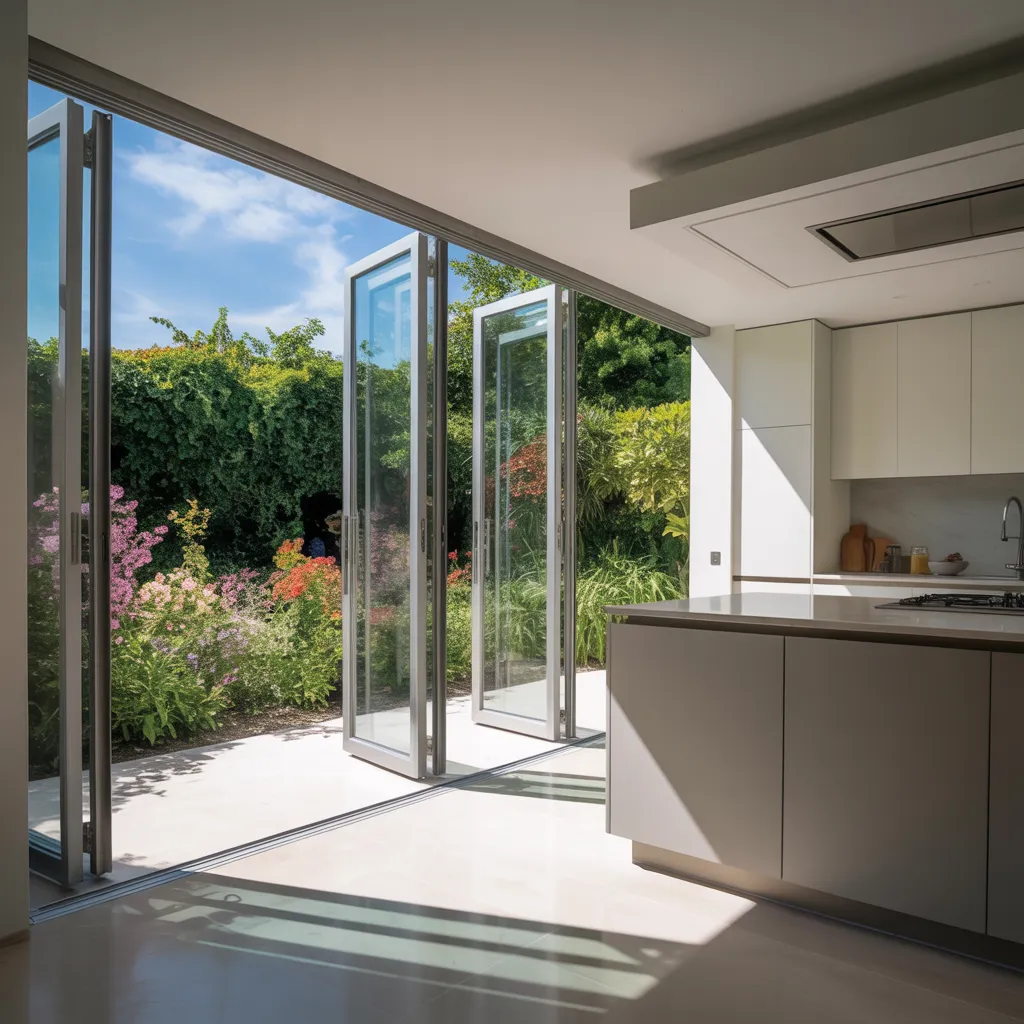
Improved Daylight and Aesthetics
Though modern sliding doors serve a functional purpose, they significantly improve the aesthetic appeal of spaces by enabling abundant natural light to flow indoors. These doors frequently feature wide glass panels that create a seamless connection between indoor and outdoor environments. As sunlight flows through, it not only lights up the interior but also creates an inviting and warm atmosphere. The sleek design of sliding doors fits various architectural styles, from contemporary to traditional, making them a versatile choice for homeowners and designers alike.
Incorporating sliding doors can transform a room, making it feel larger and more open. The unobstructed views of the outdoors further enrich the living experience, bringing nature closer to home. Additionally, the interplay of light and shadow throughout the day introduces dynamic visual interest. Ultimately, modern sliding doors function as a bridge between beauty and functionality, enriching both the aesthetic and experiential quality of living spaces.

Improved Indoor Temperature Regulation
Contemporary sliding doors provide substantial enhancements in indoor temperature regulation through improved insulation properties. By efficiently regulating airflow and enhancing natural light, these doors promote a comfortable living environment. This combination aids in sustaining stable indoor temperatures, reducing energy consumption and boosting overall efficiency.
Advanced Insulating Properties
Sliding doors have advanced substantially, offering superior insulation properties that contribute to better indoor temperature stability. Contemporary sliding doors are commonly constructed with cutting-edge materials such as double or triple glazing, which substantially limit heat transfer. These multi-pane designs create an insulating barrier, reducing energy loss during both winter and summer months. The integration of premium seals blocks air leaks, further improving thermal efficiency. Moreover, features like Low-E coatings bounce heat back into the room, preserving a comfortable environment. Therefore, homeowners benefit from decreased energy bills and a reduced carbon footprint. All in all, the superior insulation capabilities of current sliding doors make them an optimal choice for those seeking energy efficiency without compromising aesthetics.
Advantages of Natural Lighting
Natural light plays a significant role in improving indoor temperature regulation, complementing the insulation advantages of advanced sliding doors. By allowing sunlight to penetrate interiors, these doors assist in naturally heating spaces during colder months. This passive solar heating reduces reliance on artificial heating systems, bringing about lower energy consumption. Additionally, the presence of natural light promotes a more comfortable living environment, as it mitigates the chill often felt in dimly lit areas. Moreover, the integration of modern sliding doors can minimize the need for excessive artificial lighting, which can generate additional heat. Overall, the strategic use of natural light through sliding doors not only elevates aesthetics but also encourages a sustainable approach to indoor climate management.
Airflow Management Solutions
Efficient airflow management is essential for maintaining optimal indoor temperatures, and advanced sliding doors can substantially enhance this aspect of home design. By utilizing large glass panels, these doors promote natural ventilation, allowing fresh air to circulate throughout the living space. The design of contemporary sliding doors enables homeowners to create cross-ventilation by strategically opening them to opposing windows or doors. Furthermore, many sliding doors feature adjustable screens that enable airflow while keeping insects out. This combination of features not only supports energy efficiency but also contributes to a comfortable indoor environment. As a result, homeowners can enjoy a well-regulated temperature, reducing dependence on artificial heating and cooling systems, ultimately leading to lower energy bills and improved sustainability.
Minimized Energy Utilization
Today's sliding doors considerably help achieve reduced energy consumption by providing excellent insulation and decreasing air leakage. Engineered with state-of-the-art materials and technology, these doors create a firm seal that effectively blocks drafts, preserving a stable indoor temperature. This efficiency reduces the reliance on heating and cooling systems, leading to lower energy bills.
Double or triple glazing integration provides additional thermal performance benefits. Such multi-pane glass configurations minimize heat transfer, keeping homes comfortable throughout the year. In addition, large glass sections in sliding doors facilitate natural light access, diminishing artificial lighting needs during daylight.
Moreover, modern sliding doors are frequently equipped with energy-efficient hardware and frames, which additionally contribute to their overall efficiency. By enhancing energy use and reducing waste, modern sliding doors not only support sustainable living but also provide homeowners notable financial savings in energy costs over time.
Higher Property Valuation
As homeowners seek to enhance both aesthetics and functionality, the installation of sliding doors can greatly increase property value. These doors are commonly viewed as an upgrade, providing a contemporary look that appeals to potential buyers. Their streamlined design not only contributes to the overall visual appeal of a property but also maximizes natural light, creating a lighter and more appealing atmosphere.
Furthermore, sliding doors can increase the flow of space, which is a appealing characteristic in modern home design. Increased accessibility to outdoor areas, such as patios or gardens, can also be a major advantage. Many buyers appreciate the convenience and style that sliding doors deliver, making homes with these features more appealing in a competitive real estate market. Eventually, investing in sliding doors can yield high returns, as they not only enhance the aesthetic quality of a home but also its marketability and resale potential.
Seamless Indoor-Outdoor Living
While many homeowners desire a connection to nature, sliding doors provide a seamless passage between indoor and outdoor spaces. These doors generate an extensive opening that dissolves the divisions between the interior and outside spaces, allowing natural light to flood living areas and providing unobstructed views of gardens or patios. This design fosters a sense of openness, inviting residents to embrace their outdoor environments while retaining the comforts of home.
The seamless shift is notably valuable for entertaining, as it permits easy movement between spaces during gatherings. Moreover, sliding doors can elevate the aesthetic appeal of a home, presenting a modern look that complements multiple architectural styles. By integrating outdoor elements into daily living, homeowners can create an atmosphere that encourages relaxation and connection with nature. Ultimately, sliding doors function as an essential feature for those seeking to improve their living experience with the beauty of the outdoors.
Minimal Upkeep and Longevity
Sliding doors don't just improve indoor-outdoor living but also deliver significant advantages concerning maintenance and durability. Manufactured using premium materials such as aluminum, fiberglass, or vinyl, these doors are built to withstand various weather conditions without warping, rusting, or deteriorating. Their sturdy construction provides longevity, making them a valuable investment for homeowners.
Moreover, contemporary sliding doors are typically designed with minimalistic features that decrease the need for significant upkeep. Unlike classic hinged doors, which can require regular painting or refinishing, sliding doors generally need only sporadic cleaning to keep their appearance. Many manufacturers also deliver weather-resistant finishes that help protect against fading and damage from UV exposure.
This blend of minimal maintenance needs and durable materials makes today's sliding doors an appealing choice for individuals wanting efficiency and longevity in their residential spaces while limiting the burden of maintenance.
Range in Design Choices
Contemporary sliding doors offer a remarkable range of design options, allowing homeowners to customize their aesthetic to fit any architectural style. Available in multiple materials such as wood, aluminum, and vinyl, these doors can effortlessly integrate with classic, contemporary, or minimalist designs. Homeowners can select from an array of finishes and colors, making certain that the practical guide sliding doors match existing interior design or create a striking focal point.
Furthermore, choices such as frosted glass, patterned panels, or even integrated blinds improve both privacy and style. The option to customize dimensions and configuration additionally adds to their versatility, making them ideal for expansive openings or compact spaces.
This flexibility not only enhances the visual appeal of a home but also contributes to its overall functionality. With modern sliding doors, individuals can achieve a harmonious balance between aesthetics and practicality, making them an ideal choice for various design preferences.
Common Questions
Sliding Doors vs Traditional Doors: How Do They Compare in Energy Efficiency?
Sliding doors usually deliver greater energy efficiency than standard doors owing to their extensive glazed sections, modern sealing mechanisms, and improved thermal protection, decreasing heat transfer and boosting natural illumination, rendering them a preferred selection for today's homes.
Which Materials Work Best for Modern Sliding Doors?
Modern sliding doors are optimally constructed from materials like fiberglass, aluminum, and vinyl, which deliver durability, insulation, and low maintenance. These materials enhance energy efficiency while delivering design elegance and security in contemporary designs.
Are Sliding Doors Suitable for All Climates?
Sliding doors are appropriate for different climates, depending on the materials used and insulation quality. Correct installation and weatherproofing improve performance, ensuring they function effectively in extreme temperatures, humidity, or windy conditions when appropriately designed.
How Do I Choose the Right Size Sliding Door?
Choosing the right size sliding door involves measuring the opening precisely, evaluating traffic flow, and assessing the desired aesthetic. Moreover, one should factor in any furniture placement and ensure compatibility with existing architectural features.
Can Sliding Doors Enhance Air Quality Indoors?
Sliding doors contribute to enhancing indoor air quality by providing improved ventilation and natural airflow. When in use, they facilitate natural air flow, minimizing indoor pollutants and providing a healthier living environment for residents.